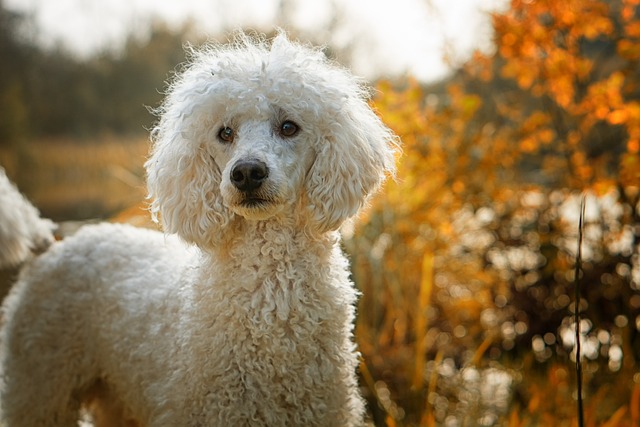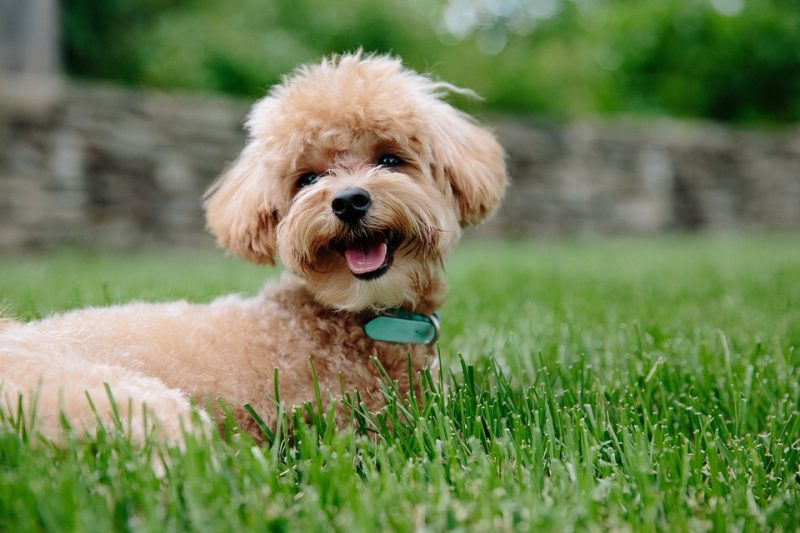
Raising a happy poodle puppy is the dream of any poodle owner.
These tips take the form of questions you could ask about having a happy poodle.
What should I feed to my poodle?
Ask the breeder what food your poodle is used to and feed that to the puppy for 2-3 weeks and you will have begun your journey to having a happy poodle puppy. When you visit the vet for the first time, confirm that the food is a good choice . Make any changes to the diet gradually by giving the puppy a mixture, say 3 parts to 1 (familiar to new) for a few days, then 50/50 for a few days, then 1 to 3. This way, the puppy’s palate can be eased into the new food over a week or so.
High quality, dried puppy food is recommended because it offers a well-balanced diet. Always have food and fresh water available to your puppy and she will eat and drink when she needs to. It’s a good idea to keep her food and water bowls in the same, fixed location.

Poodles should not eat particular fruits and vegetables and chocolate is dangerous for all dogs. Always check before giving your pet any new food to make sure it is not on the “banned list”! Some poodles have sensitive tummies so it’s a good idea to check that their stools are firm and look normal. Puppies are prone to eat anything, including leaves etc. This can give rise to tummy upsets and vomiting. As long as it doesn’t continue on the following day, a visit to the vet is probably not necessary unless you can see she is quiet and not well.
Do not give cooked bones to your dog but an occasional raw bone can be okay. Check with your vet if in any doubt. Remember that raw bones can’t be eaten all at one “sitting”. Your puppy may try to “bury” them under a cushion on your settee! And that could be very sticky and smelly.
When your poodle is very good, give her a treat of a few slices of dried liver or heart which you can buy from the pet shop. My vet told me they are “puppy chocolate”; pigs’ ears are a treat too although they have a high fat content. Try to avoid treats with preservatives and other chemical additives.
Where should my poodle sleep?
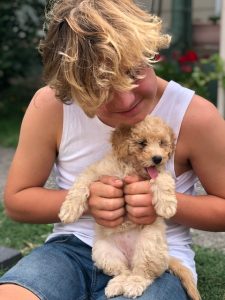
When we had puppies as kids, Mum would set them up on the tiled laundry floor with a soft blanket, fencing them off from the rest of the house. The puppies would yelp and cry for several nights which was tough on all of us. The breeder of my puppy told me to let her sleep with me and I would have no trouble. So, I gave her a small, soft blanket which I folded across the bottom of my bed and put her onto it. It was not long before she sidled up to me and pressed the back of her little body against mine and went to sleep. There has been no problem at all and I have a happy poodle puppy.
This blanket is handy when you begin taking her in the car or take her away to stay overnight. It immediately indicates her territory.
Does my poodle need a day bed?
Puppies need a lot of sleep during the day, so setting up a bed for them is essential. Buy something that will last for the first year so you don’t have to replace it while she is growing. I used a soft, moulded bed which is easy to wash and quick to dry. She quickly recognised it as her territory and stored her toys and other “treasures” in there. If you are looking for an Australian manufacturer of beds, this company has a great range.
If you have young children, a dog crate is a good idea. A puppy can isolate herself from excessive handling in a crate and get proper rest. If you want a happy poodle puppy, it’s important for her to have a safe haven when teams of children descend upon her! Make sure it is easily transportable to give you maximum flexibility, such as wanting to stay overnight somewhere. But if you are looking for a stylish piece of furniture, this company can help.
How do I toilet train a poodle?
Poodles are very bright and you can train them to do their “business” in particular locations outside.
- Put a lead and collar on her and take her to the location you prefer.
- Shorten the lead to confine her to the space you have chosen.
- Do this about 10 minutes after meals or drinking and sit with her till successful.
- Tell her she is a “good dog” when she does it and give her a treat. I have a pet waste scooper which makes it easy to collect the waste and flush it down the toilet. Most pet shops have a range to choose from. For indoors, use puppy pads.
- Place a puppy pad near her bed and one near the back door.
- If there is no time to take her outside, place her on the puppy pad and stay with her till done.
- Tell her she is a “good dog” afterwards.
You may have to put her on the pad several times. Just be patient and it will pay off. It can take a few months to complete this 100% and there will be a few lapses when you think it is all over, so keep the puppy pads going until you have a few weeks without accidents. You’ll be happy and you’ll have a happy poodle puppy!
Do daily walks help to raise a happy poodle puppy?
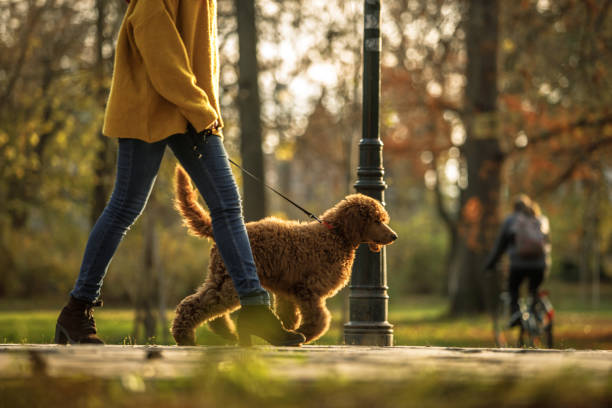
On average, Australians walk their dogs for about 20 minutes per day. Dogs of all ages and sizes love to have a daily walk and the exercise definitely contributes to their feeling of wellbeing. They love to sniff everything, nosing around posts, benches and ponds etc. Someone described it as “reading the newspapers”.
I try to walk my poodle for 30-45 minutes daily, usually in familiar territory – the local park. I kept her on the lead for all of the first year because she was a bolter and very slow to come back when called. She preferred to run free and I couldn’t chase her. Now, I let her off the lead for 80% of the area in the park and put her on the leash when we are near the children’s play zones.
Puppies also need vigorous play and running, so exercise doesn’t stop at walking. If you want a happy poodle puppy, take her to a fenced doggy park at least once per week. There she can get accustomed to other dogs and may even enjoy the excitement of getting chased!
What sort of toys help to make a happy poodle puppy?
Puppies are like young children and they need toys – balls, toys to chew, ropes to tug; there is a wide range of colourful toys for puppies available and most of them have a short life! And just llike babies, they are cutting teeth, so make sure you have plenty of durable toys that can withstand the pressure of sharp little molars. Include toys that require some problem-solving because poodles are brighter than most dogs. They also like toys that squeak – these are a great favourite because the poodle feels as if it’s talking to you!
Poodles learn to fetch very quickly and will chase and retrieve balls or toys and bring them back to you. They are very playful and will sometimes keep the toy and run off, inviting you to chase them and play tug-of-war with them.
You should allocate time for at least 2 play periods per day. Puppies can handle about 15 or 20 minutes of vigorous play and then they need a nap!
Does training help to produce a happy poodle puppy?
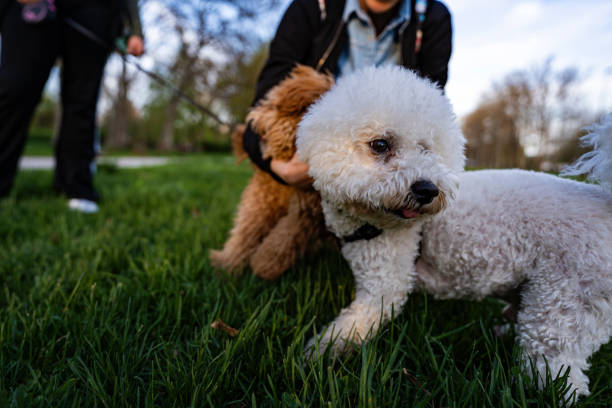
Puppies enjoy puppy training classes. They are a great way to socialise your puppy, while educating him. Group activities get him used to a lot of people as well as puppies of all sizes. It introduces him to a few basic aspects of growing up and begins to impose some more discipline on him. The trainer is a useful resource for you to ask those questions you will have by then also.
As she grows, your poodle pup will nudge you in the thigh when she needs to go outside, play, go to bed, eat etc. Just stand up and ask her what she wants and she will walk to where the solution lies, looking over her shoulder at you from time to time. You’ll feel as if she is training YOU and you’re right!
How often do poodle puppies need to be groomed?
Grooming is an essential aspect of life for poodles. Poodles even need to be combed and brushed in the first 6 months, when their hair is long and straight. This is important because they get accustomed to being handled which is an introduction to grooming. It’s a vital aspect of your life as well as theirs because you will need to brush or comb your poodle every second day to prevent matting and skin problems.
How do I prepare a puppy for visits to the Vet?
It’s important to encourage your puppy to mix with other people outside your fanily so they get used to being around people they do not know. Handling helps puppies to be relaxed about being touched and brushed etc. Make sure that you touch your puppy regularly, all over his body so that he will be very relaxed when he needs to be handled by a stranger, such as being examined by a Vet. It makes visits, tests etc a breeze.
What can I do about my poodle’s reaction to loud noises?
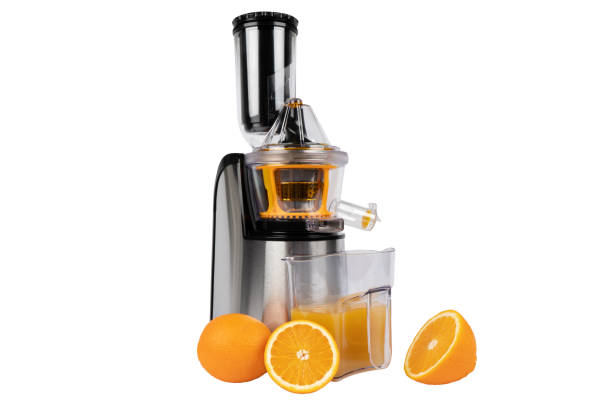
Poodles are usually very sensitive to loud noises, especially when young. This is not exclusive to poodles, but they can react to vacuum cleaners, juicers, door slams, trucks, thunder etc. My puppy reacted by running away or crouching, sometimes whimpering. I noticed that she would always look to me for guidance – either by running to me or often looking closely at my face.
My successful action has been to stroke her and calmy say, “It’s ok Coco.” I often carried her to the sound source and let her see it while we remained at a “safe” distance. Even today, if she is barking excessively, I do the same thing and it reduces the intensity and duration of the barking.