
Puppies are just like toddlers: they put everything into their mouths. The trouble with poodles is that they often have a sensitive stomach, so you have to be extra careful about letting them eat any foods on the “banned list” for dogs – just another aspect of the care of poodles.
We have a grapevine and an avocado tree in our garden and even the leaves of these two banned fruit trees are risky for dogs, especially puppies who run after anything and try to eat it! Apart from your puppy grazing in the garden, feeding your poodle the wrong foods can lead to serious health issues, with certain chemicals causing adverse reactions.
In this article, we’ll explore the foods poodle owners should steer clear of and the chemical culprits behind their dangers, along with the symptoms that might present themselves.
What if my dog eats a tiny piece of chocolate?

A very small quantity of chocolate will not harm your dog. It’s hard to believe chocolate could be harmful because it is irresistible for most humans but besides deliciousness, it contains theobromine and caffeine, both of which are toxic to dogs. These chemicals can lead to vomiting, diarrhoea, increased heart rate, seizures, and in severe cases, even death! For details of quantities, outcomes and what to do if your dog eats chocolate visit the American Kennel Club website
Can dogs eat grapes?
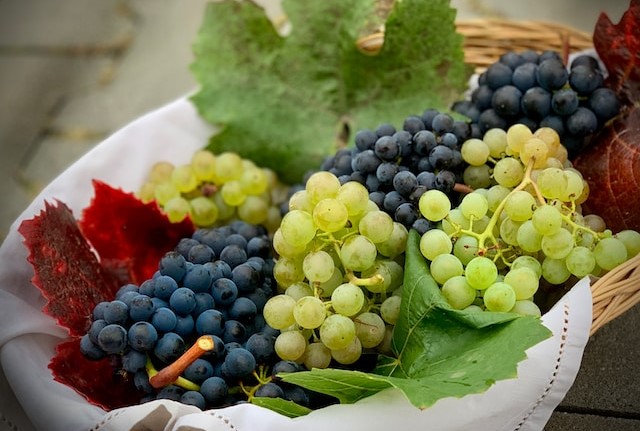
Grapes and their dried forms, sultanas and raisins, contain an unknown substance that can lead to kidney failure in dogs. These fruits are particularly toxic for dogs and even a single grape can lead to death. If your dog eats one, get it to a vet as soon as possible. Even cakes and other foodstuffs containing them can be a serious risk. Other symptoms include vomiting, diarrhoea, lethargy, and decreased appetite. If your dog has eaten any of these, you should take it to a vet as soon as possible. Read more here
What happens if a dog eats onions?
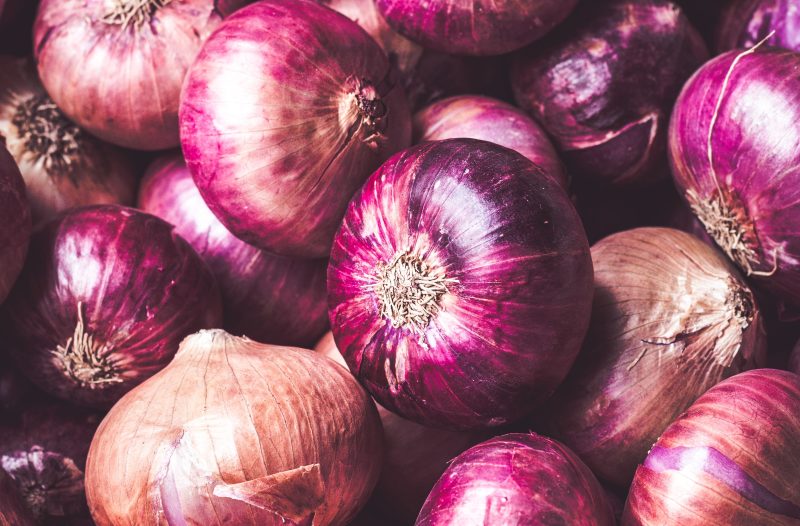
The family of onions, garlic, chives and leeks are kitchen favourites for humans but they contain N-propyl disulfide, a toxic substance for dogs that can damage their red blood cells and lead to anaemia. It’s best to avoid giving dogs leftovers that contain any member of this allium family. Symptoms may include weakness, vomiting, breathlessness, and lethargy. You can read more here
What amount of xylitol is toxic for dogs?

Xylitol is an artificial sweetener used in chewing gum etc and is highly toxic to dogs. It can cause a rapid release of insulin. Cases in USA of xylitol poisoning in dogs increased from 4,000 per year in 2018 to 20,000 in 2023. In America, this substance is also added to some foods, such as peanut butter and personal items like shaving cream and deodorants. It’s a good idea to check labels before giving anything to your dog! Symptoms include vomiting, loss of coordination, seizures, liver failure and hypoglycaemia. Read more here
Why can’t dogs eat avocadoes?
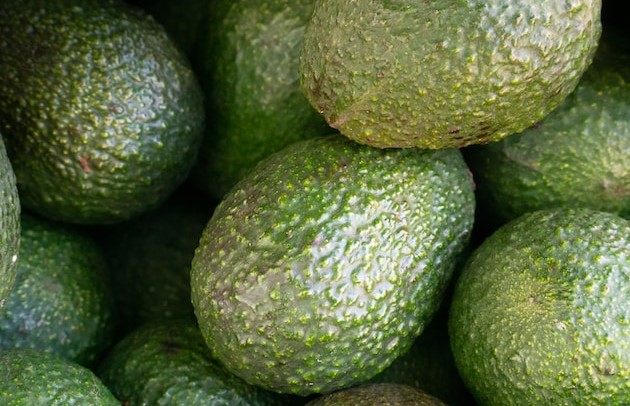
The fruit, seed and leaves of avocadoes contain persin, a fungicidal toxin, which can be toxic for dogs although the quantity needed to really threaten the animal’s health is not known. Unripe fruit contains higher levels of persin. If the dog has enough of it, it can lead to vomiting, diarrhoea, and in some cases, heart congestion. For more information, click here
What happens if my dog drinks alcohol?

Even small amounts of alcohol can be dangerous for dogs, causing not only drunkenness but vomiting, diarrhoea, central nervous system depression, difficulty breathing, and even death. Ethanol toxicity is the root cause. Alcohol is frequently added to household cleaners, mouth wash and other products. Make sure your dog is outside when there is a party at your place! For more data, you can click here
Are macadamia nuts toxic for dogs?
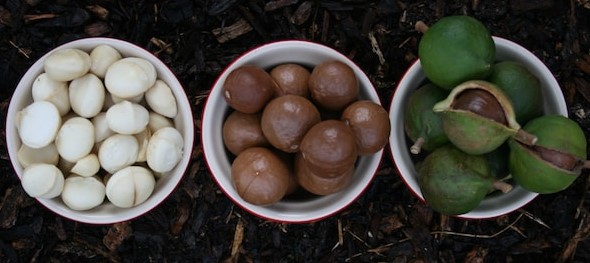
The exact chemical in macadamia nuts that causes toxicity for dogs is unknown, but the consumption of even small quantities can lead to weakness, especially in the hind legs. It also causes vomiting, tremors, lethargy and a fever. If your dog eats one or foods containing macadamia nuts, consult a vet. Read more here
Why are cherries on the “banned list” for dogs?
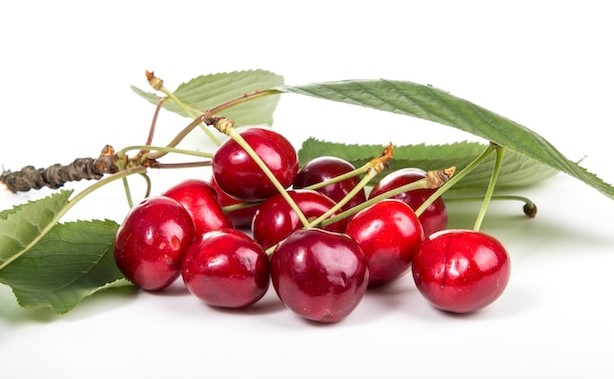
The flesh of the cherry, its pits and even the leaves of the plant itself, all contain cyanide, but a dog would have to eat quite a few of them before there was enough cyanide to pose a risk to the dog. The pits can be a choking hazard and can block the intestines of smaller breeds. The fruit itself is not harmful to dogs. Read more here
What fatty foods are bad for dogs?
Rich and fatty foods, such as hot dogs, fried foods, bacon, even greasy fish and chips are potentially dangerous for dogs. They can lead to obesity or pancreatitis, causing symptoms like vomiting, diarrhoea, abdominal pain, and lethargy.
What bones shouldn’t be given to dogs?
Cooked bones can splinter and cause internal injuries or blockages. Never give a dog a bone that is round, small or sharp. It’s particularly dangerous to give dogs bones from cooked poultry as these shatter and can cause terrible complications, like perforation of the intestines. There are safe options which are explained here But if you want to opt for complete safety, choose appropriate chewable toys instead.
A warning about table scraps
Most of us have dogs who watch us eating with a hungry intensity, hoping to be thrown a few titbits. It’s easy to feel sorry for your dog who will often turn on its puppy eyes to look even more deserving of some of your food. Many years ago, it was common for dogs to be given all the leftovers from the family meal, bones and all. Back then, most family dogs were “bitsas” (mixed breed dogs) who rarely lived beyond 8-10 years. We have learned a great deal about our canine friends since then.
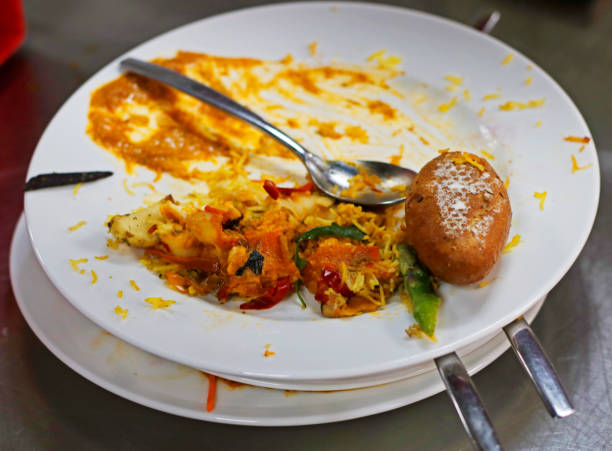
Salt, sugar, spices and cooked bones are not good for dogs. Add to that onions, fat and many of the other foods on our list and you get a recipe for disaster, or the compromised health of your beloved friend. Resist the temptation to share your food with your dog.
As a responsible poodle-owner, it’s crucial to understand the potential dangers of certain foods. By avoiding the foods on the “banned list” for dogs and being aware of the chemicals that can pose risks, you’re taking important steps to ensure your poodle’s wellbeing and longevity.