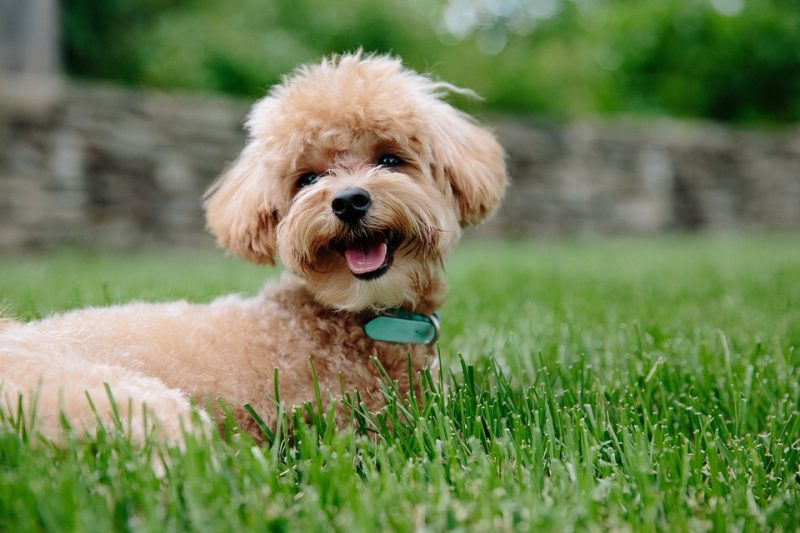
Some dog-owners ask, should I agree to my dog being de-sexed? The thought of de-sexing your beloved pet can be daunting. But the answer is frequently taken out of your hands. The number of unwanted dogs in Australia is shocking, so dog-owners can’t take the chance of having a fertile dog in their care and then having to find a home for an unexpected litter of puppies.
Rescuing abandoned dogs
There are thousands of neglected and abandoned dogs in Australia and the number has been rising for some years. Government authorities raided some irresponsible Victorian breeders in recent months and rescued dozens of dogs living in appalling conditions. (Report similar cases here). Most of these animals needed treatment and extensive care. No doubt some were beyond help and had to be euthanized like others before them. These dogs, and those who are unwanted or abandoned, end up in shelters. More than 200,000 dogs arrive in shelters each year. The lucky ones find new homes but about 40,000 dogs are euthanized each year. For more statistics see, here
Any dog-lover would find this situation heart-breaking. Many councils now require dogs to be de-sexed unless the owner is a registered breeder. So, the responsible thing to do is to have your dog de-sexed. It can be tough for any dog, but especially the sensitive poodle breed.
What is involved in de-sexing?
The process is quite different, of course, for male and female dogs. Males are neutered at the age of 4-6 months by removing their testicles. Miniature and toy female poodles should be spayed before the age of 4 months which is when they commonly have their first oestrus (being “on heat” and therefore fertile). Some claim that a female dog should be permitted to have a litter because it helps her general health and well-being. This is actually a myth, according to veterinary science.
Spaying is major surgery performed under a general anaesthetic and consists of removing the uterus and ovaries. There are internal and external injuries as a result.
A small percentage of dogs are affected by adverse reactions to the anaesthetic. Owners usually drop their dogs off at the veterinary clinic in the morning and can usually pick them up a few hours later when the vet has given them the “all clear”.
What care does a dog need after spaying?
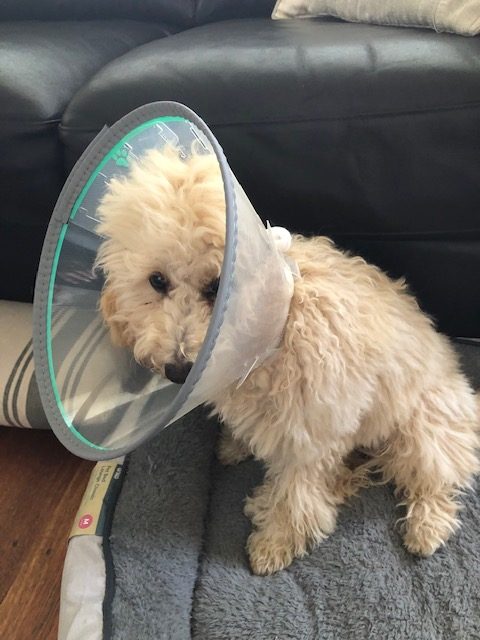
The dog must wear headgear for a period of around 2 weeks to prevent her from scratching or licking the wound, which is usually sealed with dissolving stitches. Most dogs protest at wearing the headgear so they need a bit of supervision and comforting.
The dog should rest for at least 5-10 days after surgery and be protected from other dogs. Give your dog gentle exercise during its recovery and walk it on a leash to keep more control of it and protect its wounds from water, long wet grass etc. so the wound stays dry. You should check the wound twice per day. A small amount of bleeding straight after surgery is normal but anything that looks worrying should be checked by the vet.
Does spaying change the dog?
The dog’s personality or behaviour is not changed by spaying although she may put on a bit of weight. Don’t overfeed her and maintain daily exercise to control any excess weight gain. Those few female poodles who have a history of being a bit snappy will be less prone to aggression because of the change in hormones that contribute to that behaviour. For more detailed information, go here
Do male dogs change after being neutered?
Male dogs are far less aggressive after they’ve been desexed. This is caused by the decrease in the production of testosterone, which is the chief hormone contributing to aggressive behaviour in males. You can control any tendency to weight increase by daily exercise and by avoiding over-feeding.
What is the neutering process for male dogs?
Male poodles should be neutered between the age of 4 and 6 months.
The surgical procedure of removing the dog’s testicles is much less intrusive than spaying and takes very little time. The owner can usually pick up the dog a few hours after the procedure, when the dog gets the “all clear” from the vet. The recovery period for a male dog is shorter than the female, usually 3-7 days but as in the case of spaying, the dog needs to wear some sort of headgear to prevent him from licking or scratching the wound to the scrotum.

What should I do during the recovery phase?
Keep the dog calm and quiet for a few days and only give him very light exercise. Most dogs will try to remove the headgear and this can cause a bit of stress. Just calmly replace it if the dog manages to get it off. You may need to give your puppy a few more cuddles than usual! The wound should heal quite easily. Keep it dry, so no washing until after about 10 days.
The removal of that headgear is cause for celebration for the whole family!